Jul 1

Zuvintas Reserve included into World Network of Biosphere Reserves

Zuvintas ReserveUNESCO Man and Biosphere programme International Co-ordinating Council included Zuvintas Biosphere Reserve into UNESCO World Biosphere Reserve Network.
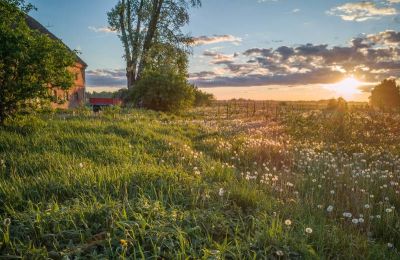
Zuvintas Reserve located in South East Lithuania within limits of Dzukija National Park. It represents approximately 59,000 hectares and includes lakes, wetlands, mires, peatbogs, pine trees. This great variety of habitats and vegetation makes this location very rich in biodiversity. The main human activities include agriculture, forestry and fishing with recent development of eco-farming and tourism.
Zuvintas Reserve was established in 1937 and despite of government changes the area is protected untill now.
Walking trails are installed in the bogs which makes very convenient trips for nature lovers.
We include visit to Zuvintas reserve into our Escape to the Nature Tour as optional trip. Ask us for more details about the tour.

 Lake Zuvintasmarsh marigold
 brown head gull


Posted by: Kestutis
Category: Destinations
Feb 28

... I Baltici? Cosa sono?

... I Baltici? Cosa sono?... I Baltici? Cosa sono?
editoriale di Adriano Pavan, Ubuntu Travel.


Nel Nord Europa, sul Golfo di Finlandia, bagnati dal Mar Baltico, tra la Russia, la Bielorussia e la Polonia ci sono tre Paesi, spesso accomunati dal nome “Baltici”, che nell'immaginario collettivo, ebbene sì, non esistono. Il nord-Europa è l'Olanda e la Danimarca, la Polonia fa parte dell'est-Europa; la Scandinavia, si sa, che è molto a nord... e loro? I Baltici? La Russia, certo, la grande Russia da San Pietroburgo alle steppe siberiane ha il suo fascino... ma dei misteriosi Baltici, cosa ne sappiamo? In primis, sono tre stati, autonomi e indipendenti, fieri della loro origini ed entusiasti di essere europei. Sono tre realtà estremamente diverse: in Lituania si respira il fascino malinconico della provincia del Gran Ducato di Polonia e Lituania di antica memoria, in cui l'architettura gotica fiammeggiante e barocca nordica incornicia i volti sorridenti di un popolo che parla una delle lingue più antiche del Continente. Andando più a nord, in Lettonia, si incontra un mondo totalmente diverso: i baroni balto-tedeschi hanno lasciato nei loro discendenti la fierezza prussiana e disseminato la rigogliosa pianura di residenze ispirate, proporzionalmente, alle regge europee; la capitale, dai giardini curati, è il tripudio del liberty che informa lo straniero che si trova in una città in cui non esiste un edificio uguale ad un altro. L'Estonia è infine un delicato scrigno: pianure e boschi circondano una capitale che ricorda un borgo medievale del centro Italia evolutosi con influenze scandinave; le torri medievali guardano la città moderna dallo stile minimalista perfetto di cristallo e acciaio in un connubio sorprendentemente bilanciato. I silenziosi estoni, profondamente legati alla natura, hanno una vivace mente creativa: nel 2003 hanno inventato Skype meritandosi il titolo di “ruggente tigre tecnologica del Baltico”. Ed ora, nel 2011 Tallinn è "Capitale Europea della Cultura" con un calendario ricco di eventi: www.tallinn2011.ee
È impossibile in poche righe raccontare la storia millenaria di questi popoli, descrivere il fascino di paesaggi tranquilli o l'emozione dell'architettura superba. Ogni viaggiatore troverà qualcosa di speciale in ognuno di questi Paesi, sicuramente ne troverà uno delizioso...
Ecco cosa sono i Baltici.


Vi consigliamo le seguenti proposte della Ubuntu Travel dedicate alle Repubbliche Baltiche:


Tour garantito 2011 in italiano:
http://www.ubuntu.travel/pacchetto.php?pak=452&paese=Repubbliche%20Baltiche&itinerario=Senza%20confini


Weekend a Tallinn, capitale culturale d’Europa 2001:
http://www.ubuntu.travel/pacchetto.php?pak=451&paese=Estonia&itinerario=Culturale

Posted by: admin
Category: Destinations
Jan 26

World's fastest internet is in Kaunas, Lithuania


Kaunas, LithuaniaIT sector is among the fastest developing industries in Lithuania. Kaunas city became famous providing the fastest internet experience in the world. Speedtest.net research confirmed that average speed of data transfer in Kaunas is 40,61 Mb per second. Second fastest city is Seoul, South Corea and third - Hamburg, Germany.
Together with fast growth of Ryanair flights to Kaunas airport the city is becaming serious tourist destination for city break lovers and internet fans.

Check our offers for city break in Kaunas

Posted by: admin
Category: Destinations
Jan 19

Era of payphones ends in Estonia on December 1

The era of payphones ends in Estonia on December 1, 2010. AS Elion, who owns the payphones that haven’t been dismantled yet, withdraws payphone cards from sale on October 15. The last call from a payphone can be made on November 30.

“We will start dismantling payphones on December 1. We are ready to give them for example to artists if they want to make installations of payphones, for example,” said Elion’s PR head Lilian Nõlvak.

“The payphone business is loss-making and unpopular among clients. The number of calls fell from 2004 by nearly 30 times,” she added.

In 1997 when the installation of modern payphones using chip cards was completed, there were 3,000 of them in Estonia. By now there are just about 550, most of them in Tallinn.

While in 2004 still 6 million minutes worth of calls were made from payphones, now it is 30 times smaller due to the wide spread of cell phones. The annual sales volume of payphone call cards has fallen by 20 time since 2004.

source:
http://www.baltic-course.com/

Posted by: admin
Category: Destinations
Jan 19

How will Estonia change over to the euro?

Starting from 1 January 2011 the euro will come into effect as currency in Estonia. During 2010 Estonia successfully fulfilled all the Maastricht criteria, which are required to join the euro zone. Estonia will be the 17th country and the first Baltic state to join the monetary union.
 
From 1 January 2011, ATM's will issue 5-, 10- and 50-euro banknotes. All deposits in Estonian kroons will change over to euro deposits (only the payment unit will change).

Until 14 January 2011, it will be possible to use both euros and kroons in making cash payments.

From 15 January 2011, the only official means of payment in Estonia will be euro.

Until 30 June 2011, the companies must show their prices both in kroons and euros.

Until 31 December 2011, banknotes and cents will be exchanged for euros in the bank offices.

The Bank of Estonia will exchange kroons and cents for euros indefinitely, without a service fee and according to the official exchange rate.

More information:
http://euro.eesti.ee
Posted by: admin
Category: Destinations


Welcome
We are Lithuanian inbound tour operator providing all travel related services in Lithuania, Latvia, Estonia and neighboring regions. We operate since 1991 and we are happy to introduce our destination to the visitors to our region. Here you will find tourism related information on Baltic countries in English, Italian and French.
Tags
Subscribe To
Follow Lithuanian Tours

Lithuanian Tours Ltd on LinkedIn
 

Made by Lithuanian Tours   

Useful links

Vilnius Toursim


The largest Congress centre in the Baltics


Events in Lithuania